
About The Workshop
The CVPR CV4Clinic 2026 workshop aims to bridge advanced computer vision techniques and the complex realities of clinical applications. While CVPR continues to drive progress in imaging, understanding and action, this workshop explores how such advances can translate into real-world medical impacts. By convening experts from academia, industry, and healthcare, CV4Clinic 2026 will focus on key issues of model effectiveness, reliability, and reproducibility in clinical deployment; critically examine the opportunities and challenges of emerging techniques such as foundation and generative models; and explore future directions for socially meaningful and clinically grounded medical AI.
Call for Papers
We welcome submissions of long papers (4-8 pages, excluding references) for oral or poster presentation at the workshop. Accepted papers will be published in the CVPR 2026 Workshop Proceedings.
News
- Proceeding: Thanks for all the support, and the workshop proceeding can be found at HERE.
- Poster: All workshop posters will be displayed in Exhibit Hall A. The assigned poster board numbers are 38–52, and each board will accommodate two posters. If no specific allocation is provided on site, please refer to this allocation information.
- Event Schedule: The workshop will be held in Room Mile High 1AB from 1:00 PM to 6:00 PM on June 4, 2026 (Denver local time).
- Camera-Ready Submission: Camera-Ready Submission Instructions have been shared with authors with accepted papers. Please note that the confirmed submission deadline is Friday, April 10th, 2026 @ 11:59 Pacific Time.
- Release: The paper reviews and decisions have been released to authors. Thanks for your patience and cooperation.
- Final Decision: We are currently finalizing the paper decisions and will notify authors of the final decision by 11:59 PM, March 25, 2026 (AoE Time).
- Submission Extension: As requested, we have extended the submission deadline by one week to 11:59 PM, March 9, 2026 (AoE Time).
- Supplementary Material: We mainly follow the CVPR 2026 submission guidelines. The supplementary material may be included after the references within the main PDF.
📌 Topics of Interest
CV4Clinic 2026 focuses on bridging computer vision with real-world clinical translation. The workshop welcomes contributions in, but not limited to, the following areas:
- 🎯 Lesion and Tumor Understanding: Robust segmentation under heterogeneous conditions, multi-rater variability modeling, adaptive delineation
- ⏱️ Temporal and Longitudinal Analysis: Disease progression modeling, temporal imaging data learning, short- to long-term outcome analysis
- 🤝 Human-AI Collaboration: Interactive and trustworthy systems, human-in-the-loop learning, explainability, interfaces, clinical workflow integration
- 📊 Benchmarking, and Deployment: Clinical evaluation protocols, domain adaptation, robustness, deployment case studies, regulatory readiness
- 📝 Generative Modeling: Data synthesis, modality translation, multimodal clinical data, cross-modal alignments, digital twins, and personalization
- 💬 Vision & Language in Medicine: Medical reports in clinical flows, LLM-based medical applications, hallucination and interpretability
- 🔥 Foundation Models in Medicine: SAM/DINO-based applications, world model state transfer, continual learning, and active learning
- 📐 Medical 3D Learning: 3D understanding, real-time motion estimation and tracking, population-level statistical shape modelling
By combining these themes, CV4Clinic 2026 aims to foster interdisciplinary dialogue and identify research directions that will shape the future of clinically reliable, socially meaningful, and ethically grounded medical AI.
Review & Selection: All submissions will be evaluated by the program committee based on relevance and quality. Oral and poster presentations will be selected accordingly.
🏆 Awards
- 🥇 Best Paper Award (Two Awards Available, Bonus: 500 USD each)
- 🥇 Best Presentation Award (Two Awards Available, Bonus: 300 USD each)
📅 Important Dates
- Submission Opens: January 24, 2026
- Submission Deadline:
March 02, 2026→ March 09, 2026 - Notification of Acceptance:
March 20, 2026→ March 25, 2026 - Camera-Ready Deadline:
April 08, 2026→ April 10, 2026 (11:59 Pacific Time)
🕓 All times are in Anywhere on Earth (AoE), if not specified.
All papers can be submitted through the OpenReview platform. Please visit the SUBMISSION venue.
📄 Format
Please use the official CVPR 2026 Submission Template to prepare your manuscript.
Submissions must be in PDF format and anonymous. By submitting a paper, at least one author agrees to present the work if accepted.
🧑⚖️ Reviewer Recruitment
We sincerely thank our 40 reviewers for their dedication and effort in delivering high-quality and timely reviews for our workshop.
We are actively seeking reviewers to support the community. If you're interested, please contact us at cv4clinical@gmail.com.
💰 Sponsorship
We would also like to acknowledge and thank our sponsor, Mohamed bin Zayed University of Artificial Intelligence (MBZUAI), for their generous support.
Invited Speakers
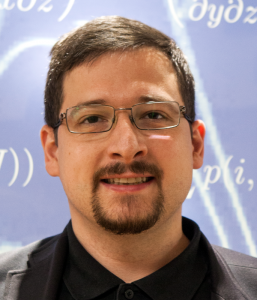
Prof. Bernhard Kainz
FAU Erlangen Nürnberg and Imperial College London
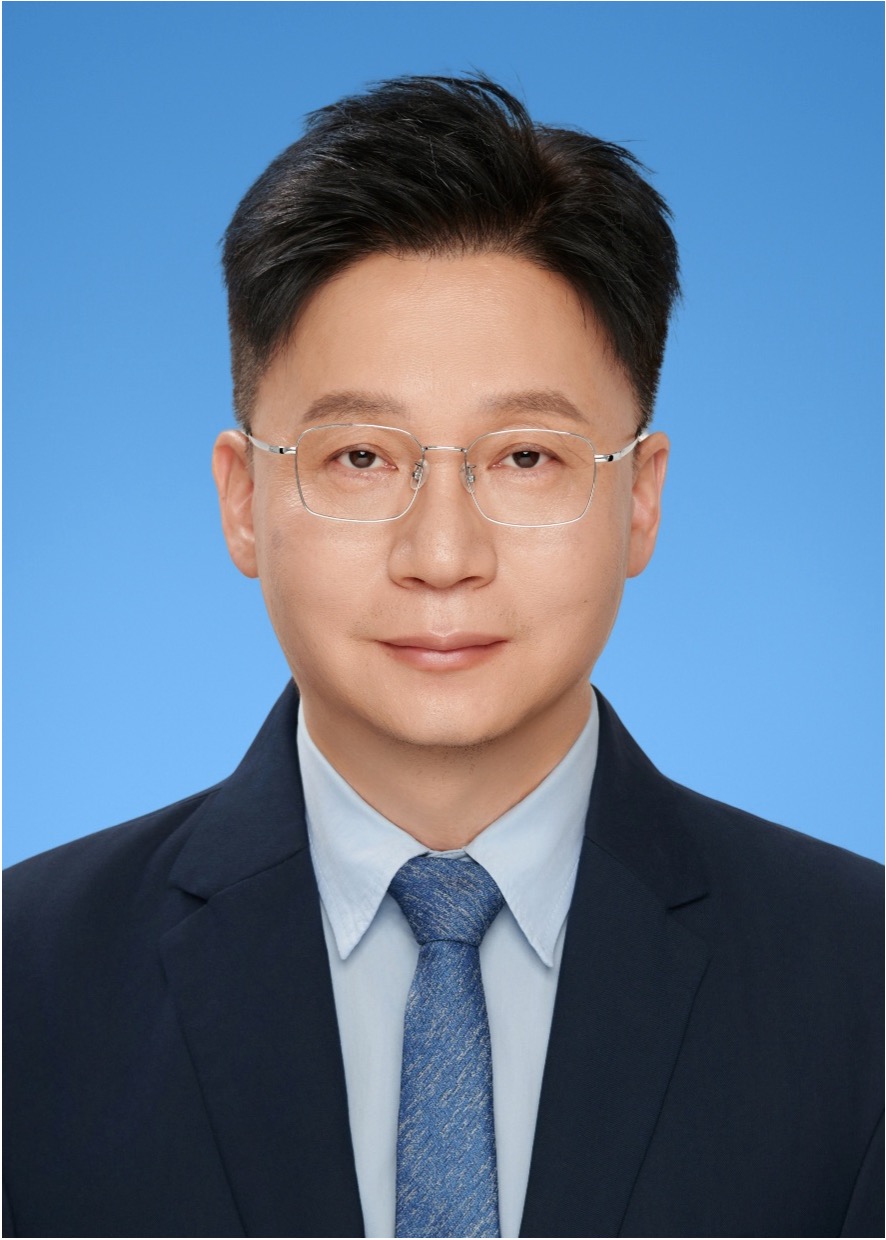
Dr. Le Lv
Ant Group
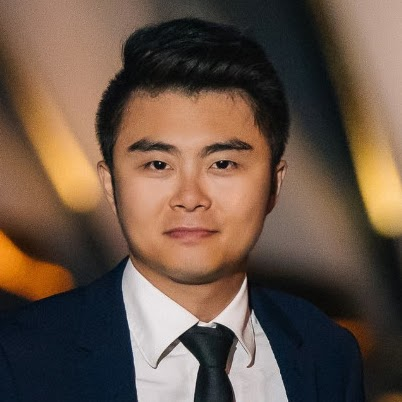
Dr. Siqi Liu
Tempus AI
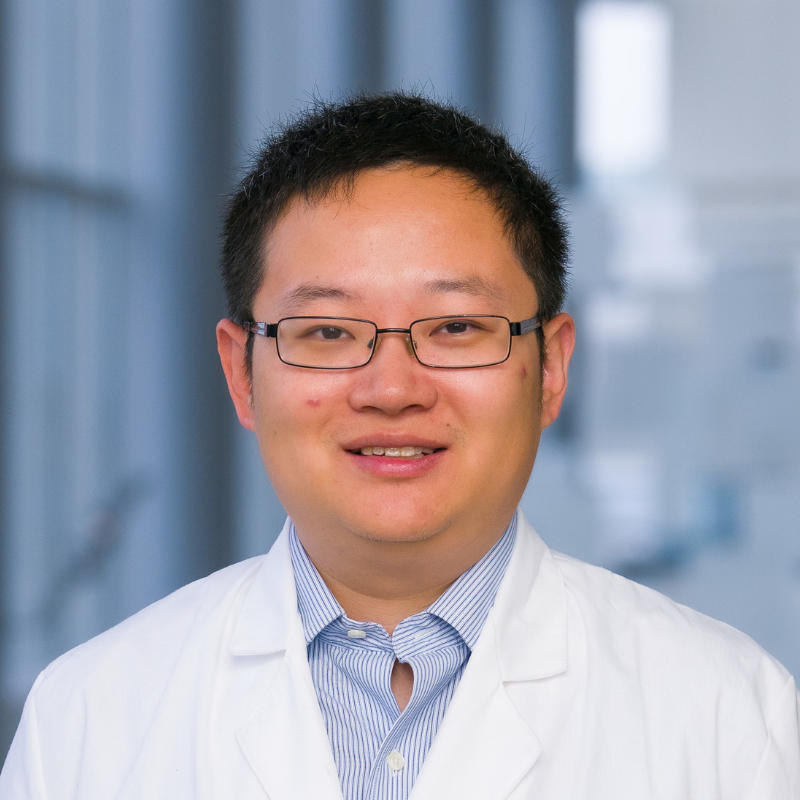
Dr. You Zhang
UT Southwestern Medical Center
Event Schedule
CVPR CV4Clinic 2026 Workshop Program
Welcome and Introduction
Opening by the organizers and introduction to the theme and objectives of CVPR CV4Clinic 2026
Keynote: From Concept to Clinic
Prof. Bernhard Kainz
Keynote: Cross-modality and Multi-modality Learning for Medical Imaging and Clinical Applications
Dr. Le Lv
Poster and Coffee Break
Poster presentation
Keynote: Foundation Models for Cancer Precision Medicine: From Pathology Tiles to Whole-patient Trajectories
Dr. Siqi Liu
Keynote: Learning from Limited Data: Self-Supervised Methods for Time-Resolved Tomographic Imaging
Dr. You Zhang
Oral Session
4:40 PM - 5:00 PM: "Generative Domain-Invariant Learning for Robust Medical Image Segmentation under Clinical Heterogeneity"
5:00 PM - 5:20 PM: "How Useful Are Vision Foundation Model Features for Out-of-the-Box Disease Progression Prediction?"
5:20 PM - 5:40 PM: "RobustMedSAM: Degradation-Resilient Medical Image Segmentation via Robust Foundation Model Adaptation"
Summary and Outlook
Closing remarks
Qingjie Meng
University of Birmingham
Zihao Tang
University of Sydney
Kai Wang
CU School of Medicine
Organizers
Yicheng Wu
Imperial College London
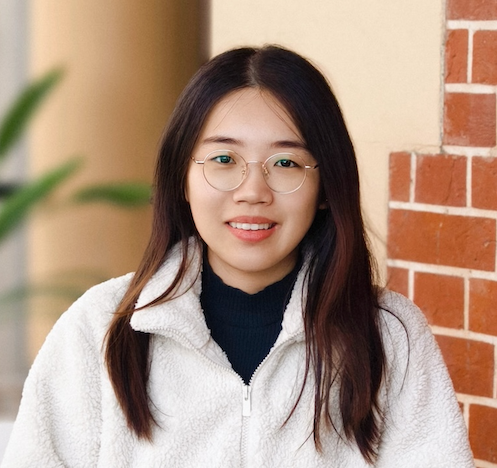
Yutong Xie
MBZUAI
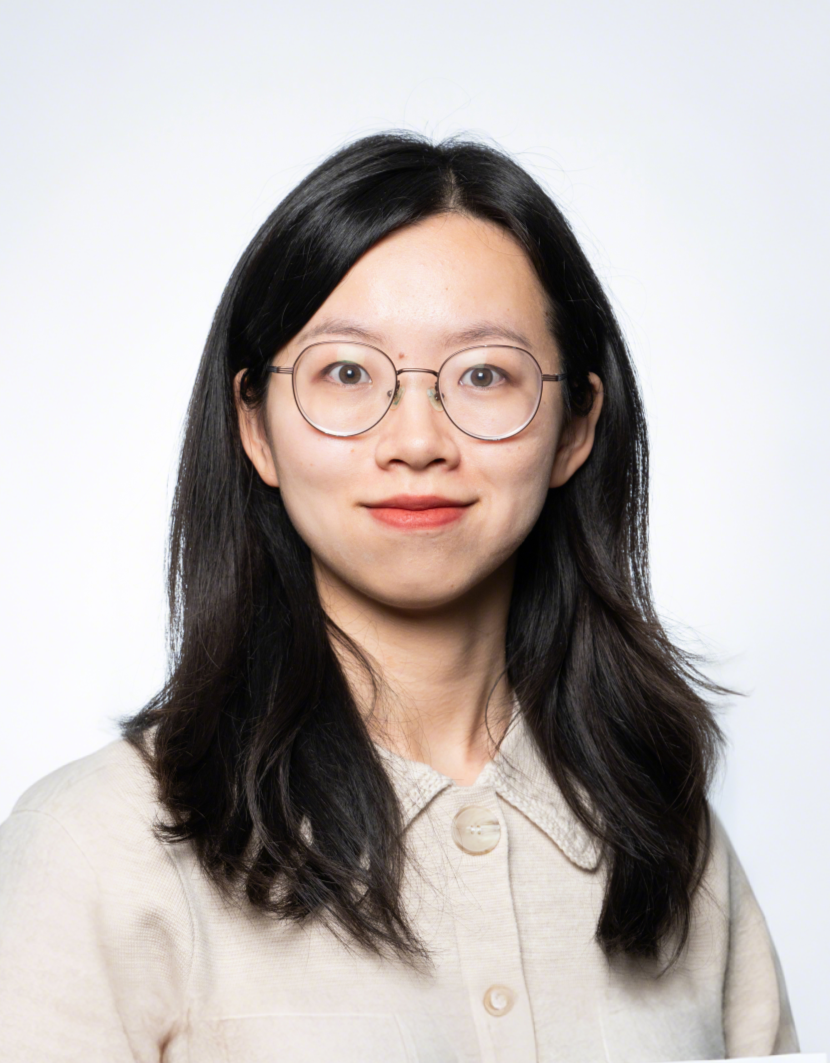
Xiaoqing Guo
Hong Kong Baptist University
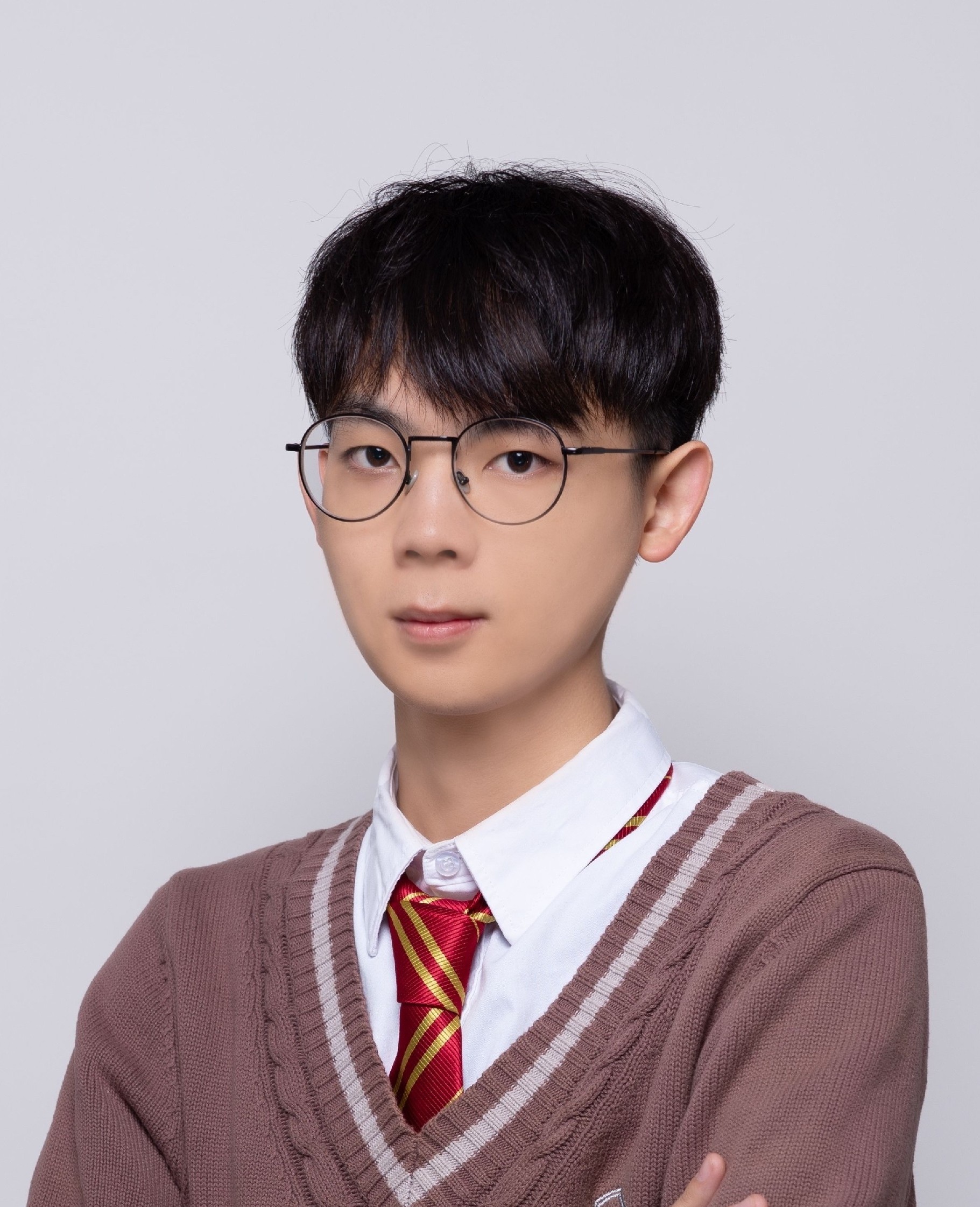
Yunxiang Li
UT Southwestern Medical Center
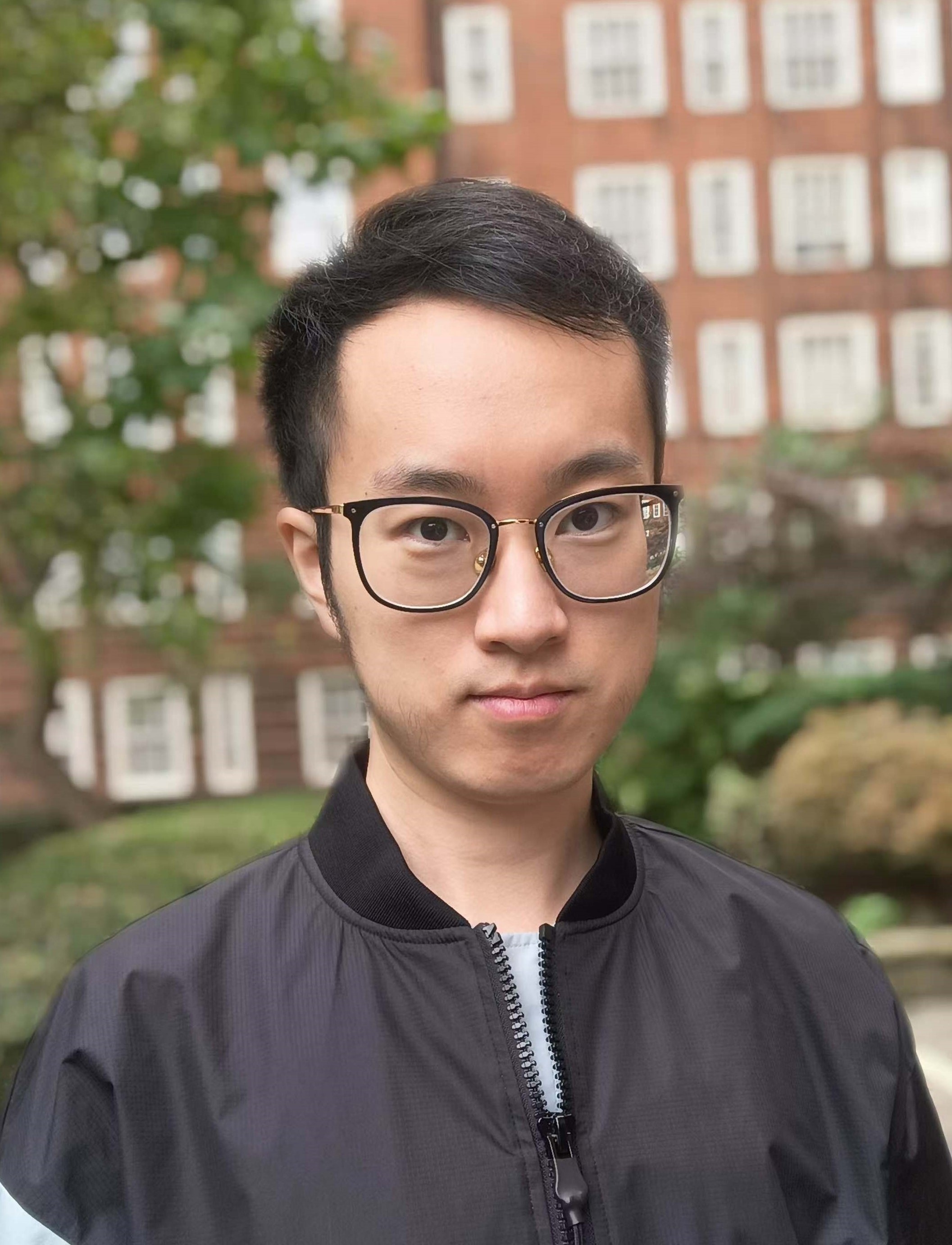
Qiang Ma
Imperial College London
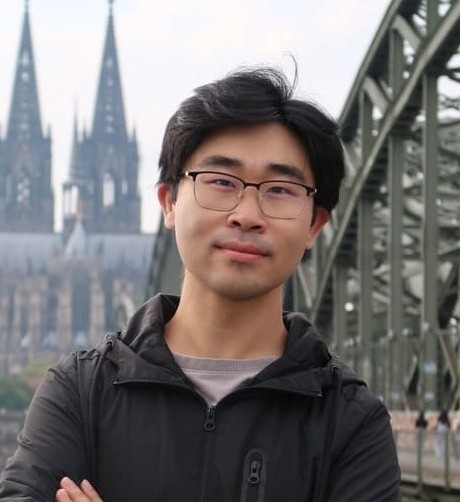
Xinyu Liu
Imperial College London
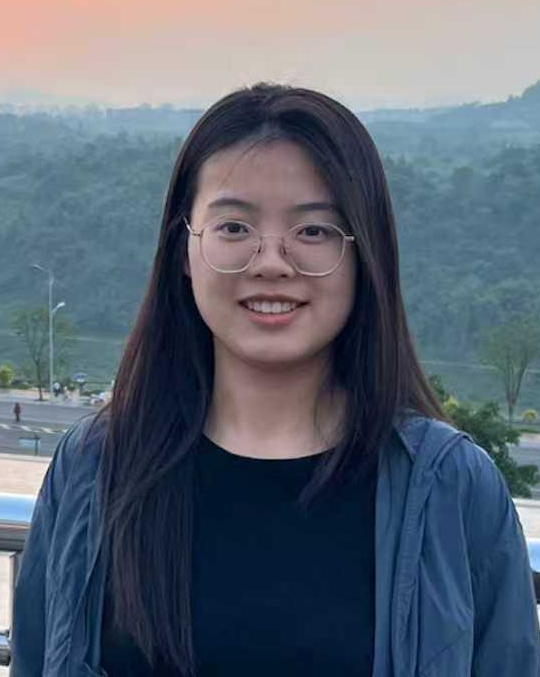
Zehui Liao
Monash University
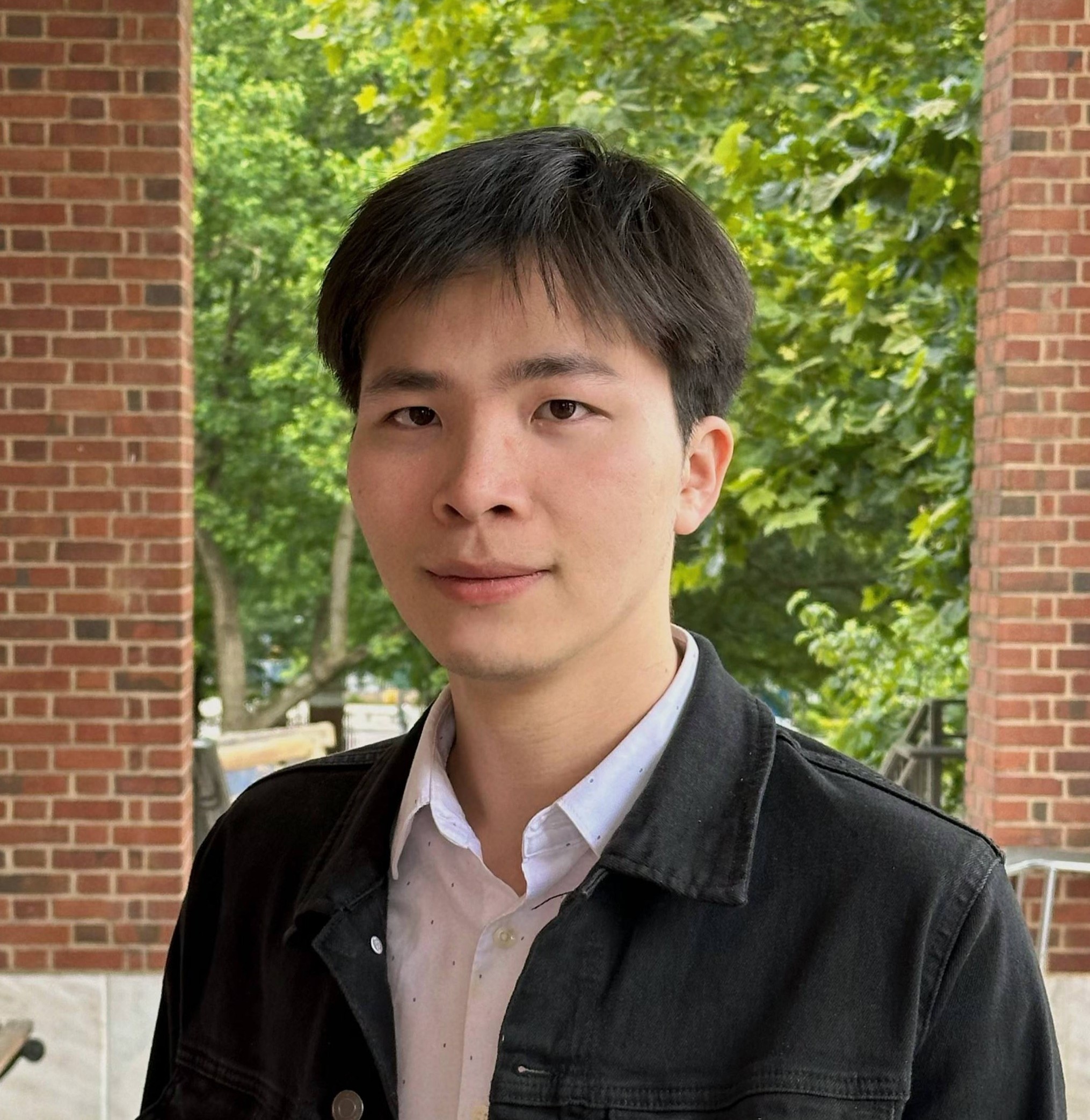
Jieneng Chen
Johns Hopkins University
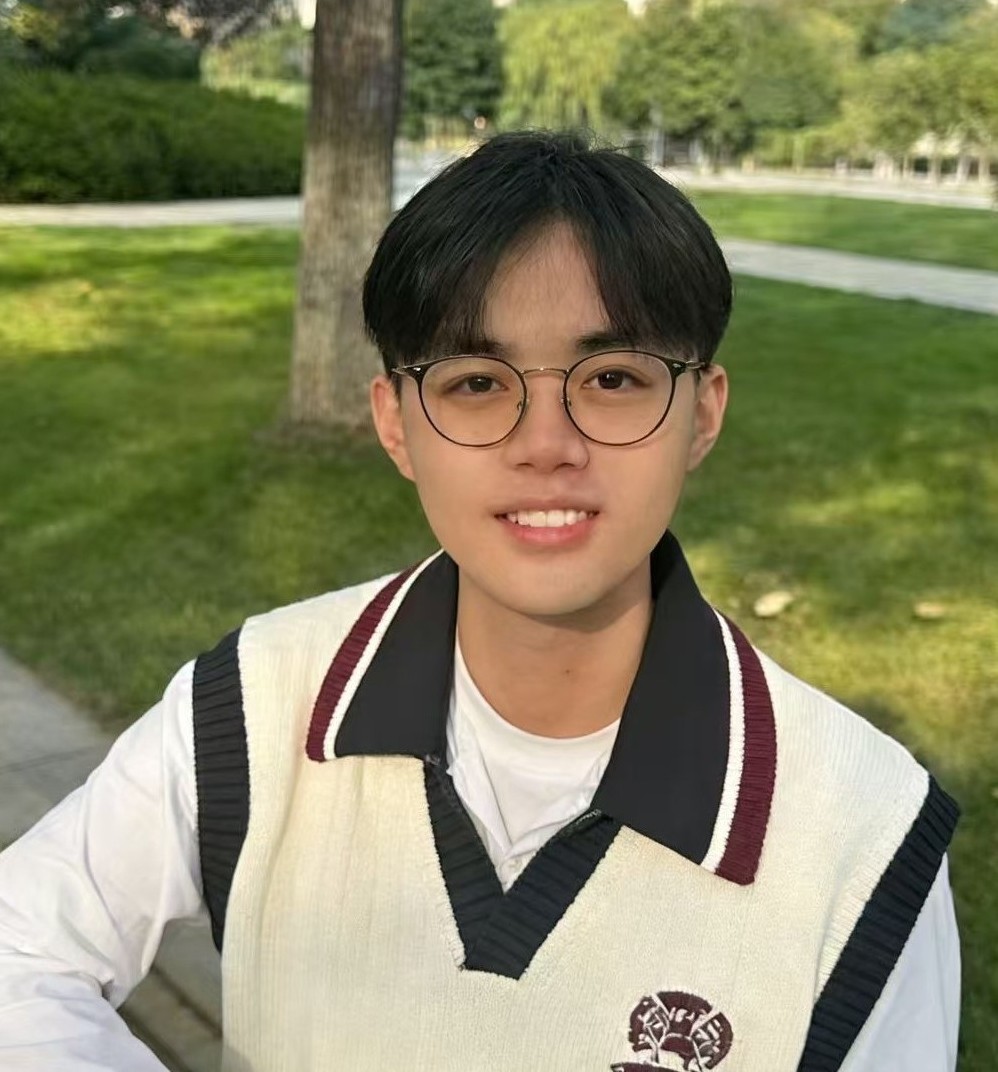
Jie Liu
City University of Hong Kong
Jin Ye
Monash University
Tao Song
Fudan University
Zhonghua Wu
Nanyang Technological University
Wenjia Bai
Imperial College London
Qingjie Meng
University of Birmingham
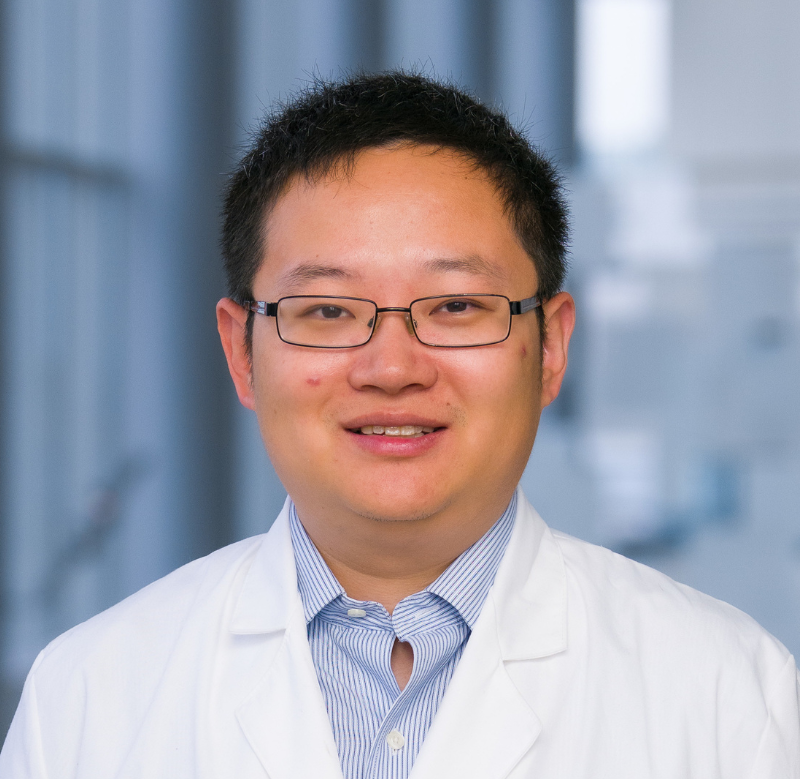
You Zhang
UT Southwestern Medical Center
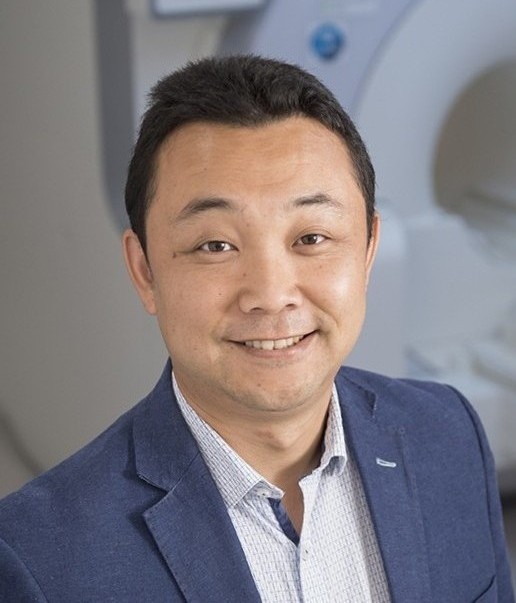
Zhaolin Chen
Monash University
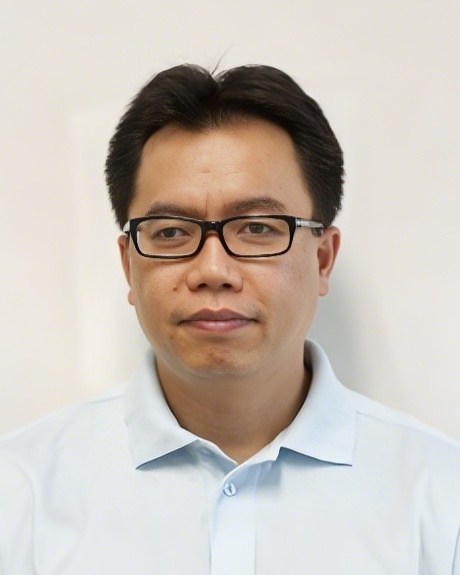
Weidong (Tom) Cai
The University of Sydney
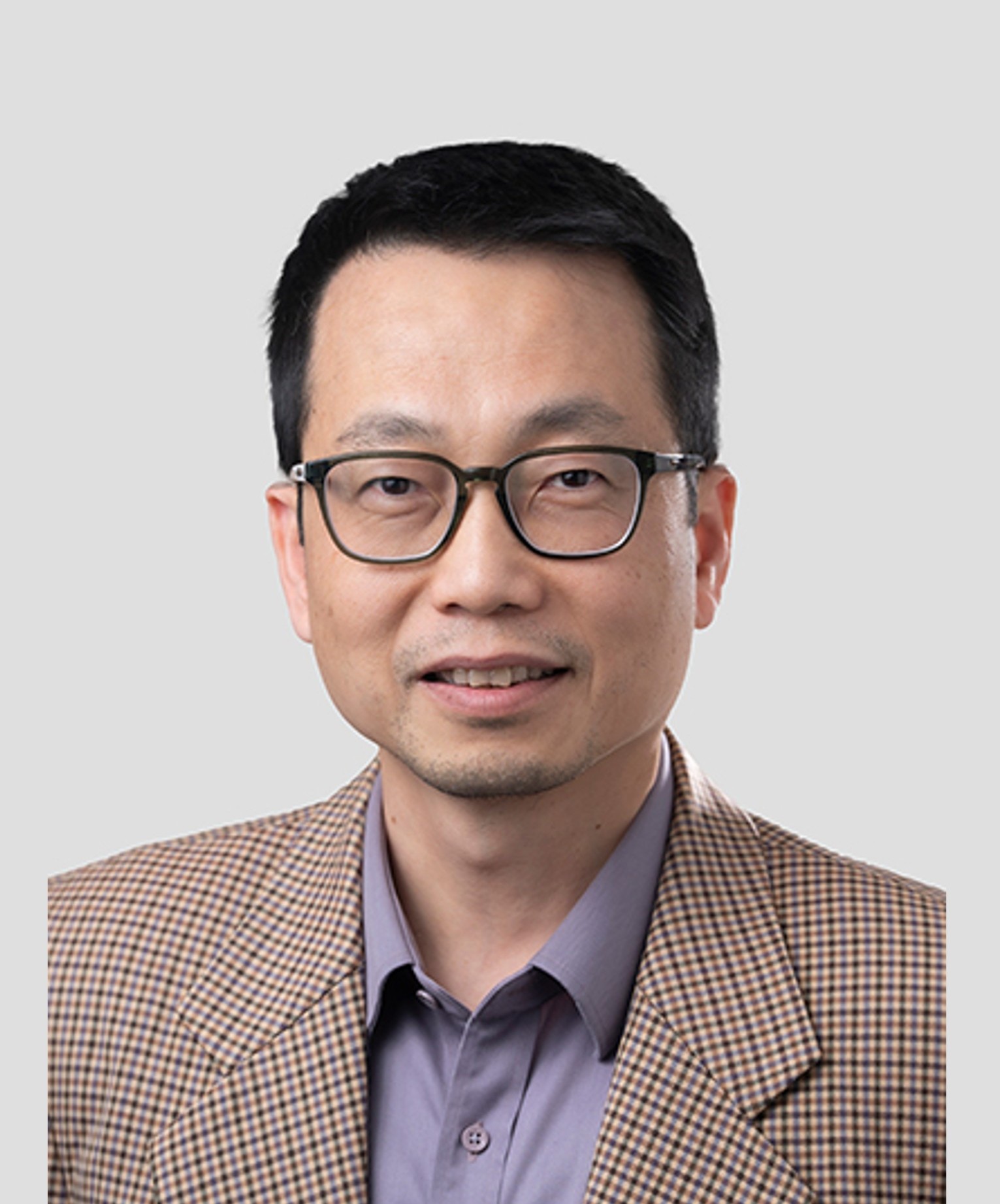
Jianfei Cai
Monash University